
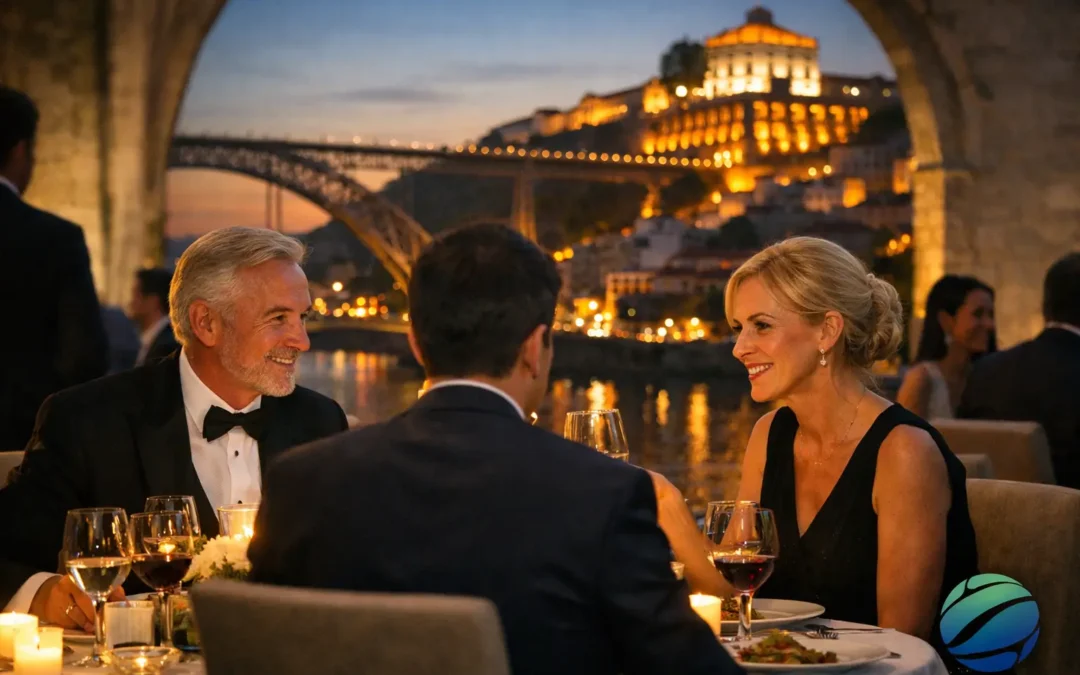
A business gala dinner Portugal can go one of two ways. It can feel polished, easy, and worth every guest’s flight, or it can become a long evening of transport delays, uneven timing, and a room that never quite comes together. For international companies bringing clients, teams, or partners to Portugal, the difference usually comes down to planning details that are invisible when done well.
Portugal is a strong choice for gala dinners because it offers more than good weather and attractive venues. It gives companies access to historic estates, contemporary hotels, coastal settings near Lisbon and Cascais, and city venues that work well for formal evening programs. Just as important, the country is practical for international attendance, with solid air connections, experienced hospitality teams, and a strong events infrastructure.
That said, a gala dinner is not just a dinner in a nice place. It is part hospitality, part brand experience, and part logistics exercise. If your company is planning one in Portugal, the goal should be simple: make the evening feel effortless for guests while keeping full control behind the scenes.
What a business gala dinner in Portugal needs to achieve
Most corporate gala dinners are expected to do several jobs at once. They may celebrate a milestone, close a conference, reward employees, host clients, support an awards night, or create a setting for executive networking. That mix matters because it changes what the event should look like.
A client-facing gala dinner usually needs sharper branding, smoother arrivals, and a more deliberate seating strategy. An internal company celebration may allow for a looser format, more entertainment, and a later finish. If there is an awards segment, speeches, or live performance, the room layout and technical setup become central to the success of the evening.
This is why early decisions matter. Before discussing menus or decor, define the purpose of the event, the guest profile, and the atmosphere you want to create. Formal is not always better. In some cases, a relaxed premium dinner with excellent service delivers more value than a very ceremonial production.
Choosing the right setting for a business gala dinner Portugal
Venue choice shapes the whole evening. In Portugal, international companies are often drawn to heritage properties, upscale hotels, and private event spaces with strong visual appeal. These can work extremely well, but only if the operational side matches the ambition.
A beautiful venue with limited access, difficult loading, or poor acoustics can quickly create pressure. The same goes for locations that look impressive in photos but do not support a proper stage, lighting plan, or efficient dinner service. For gala events, aesthetics matter, but function matters just as much.
Lisbon is often the most practical option for international groups because guest arrivals are easier to manage and there is a wide range of venues, hotels, and support services. Cascais works well for companies that want a more exclusive coastal feel without losing access to the capital. Sintra can be exceptional for atmosphere, especially for high-end dinners, but transport and timing need tighter coordination due to the setting and road access.
The right venue depends on your format. A seated gala with speeches needs sightlines, rigging options, and enough back-of-house support for service to run quietly. A networking-led evening may benefit from a more flexible layout with lounge areas, standing cocktail space, and a shorter formal program.
Guest experience starts before the first drink
International guests judge an event before they enter the room. Arrival instructions, transfer timing, check-in flow, and the first five minutes on site all affect how the evening feels.
If guests are staying across different hotels, transport should be coordinated with realistic timing, not optimistic timing. Portugal’s popular event areas can involve city traffic, narrow access roads, or venue approaches that require staging vehicles carefully. Building in buffer time is not glamorous, but it protects the event.
Registration should also feel light and well-managed. For a business gala dinner, that may mean discreet guest list handling, host staff who know the seating plan, and bilingual support for international attendees. Small things make a difference here. If a VIP is unsure where to go, or if guests queue too long for welcome drinks, the room loses momentum before dinner even starts.
Food, timing, and the rhythm of the night
One of the most common mistakes in corporate gala planning is treating the menu as the main event. Good food matters, of course, but timing matters more.
Guests remember whether the evening flowed. They notice if speeches begin before everyone is seated, if service is slow between courses, or if the entertainment interrupts conversation rather than supporting it. A smart gala dinner in Portugal should balance local character with international expectations. That often means elegant menus, efficient service, and clear consideration for dietary requirements across a mixed guest group.
Portuguese cuisine can be a major advantage when presented in the right way. It adds sense of place without forcing guests into something too regional or unfamiliar. The best approach is usually a menu that feels premium and local, while still broad enough for international comfort.
Timing should be built around guest energy. If attendees are coming from a full conference day, avoid overloading the formal program. If the dinner is the centerpiece of a leadership retreat, you may have more room for speeches, awards, or performance moments. There is no single ideal schedule, but there should always be one person controlling the pace of the evening.
AV and production are not optional extras
For many companies, the technical side of a gala dinner gets attention too late. That is risky. Audio, lighting, staging, and show calling are not secondary details. They define whether the event feels professional.
A business gala dinner Portugal companies host for international audiences often includes welcome remarks, branded content, video playback, entertainment, and live microphones. Even when the production looks minimal, it still needs planning. Poor sound can make a short speech painful. Bad lighting can flatten a premium room. Weak screen placement can make branded content feel like an afterthought.
The right production setup depends on the room and the program. Some venues need a discreet technical design to preserve the architecture. Others need more build because they are essentially blank canvases. Either way, the goal is the same: guests should hear clearly, see comfortably, and move through the evening without friction.
This is where working with a planning team that also understands execution makes a real difference. If you are organizing from abroad, hiring 2GO-Events to manage the gala dinner for you means venue coordination, supplier management, and technical support can all be aligned from the start instead of patched together later.
Styling, branding, and how much is too much
A corporate gala should feel branded, not overbranded. That line matters.
Companies sometimes assume a strong business event needs logos everywhere. In practice, a better result usually comes from selective branding combined with thoughtful styling. Entrance moments, menus, table plans, screen content, stage design, and key visual details can carry the brand clearly without making the room feel like a trade stand.
Portugal gives you strong natural and architectural settings, so the styling should work with the venue rather than compete with it. In a heritage space, elegant lighting and restrained floral design may be enough. In a modern venue, you may want a more structured visual concept with stronger scenic elements.
What matters is consistency. Guests should feel they are attending your event, not just any dinner in a nice room.
Why local coordination matters for international companies
Planning from the UK, USA, Germany, France, or elsewhere in Europe often looks straightforward on paper. The challenge is not finding ideas. It is managing local realities without wasting time.
Supplier communication, venue rules, technical requirements, setup access, and schedule changes all move faster when handled locally. This becomes even more important when your event includes VIP guests, executive teams, or tight timing around a conference or incentive trip.
A local planning partner can also help with trade-offs. For example, a spectacular venue may require a larger transport budget. A simpler venue may allow stronger production and a better guest experience overall. The right answer depends on your priorities, guest count, and program.
A good gala dinner should feel custom, not improvised. That means every decision, from the room layout to the final transfer departure, needs to support the same outcome: a professional evening that reflects your company well.
Portugal is an excellent place to host that kind of event, but only when the planning is grounded in operational reality as well as style. If you want the evening to feel easy for your guests and low-risk for your team, start early, keep the brief clear, and let experienced planners turn the concept into a workable event.
The best gala dinners are the ones guests enjoy without ever seeing how much coordination it took to make the night run right.